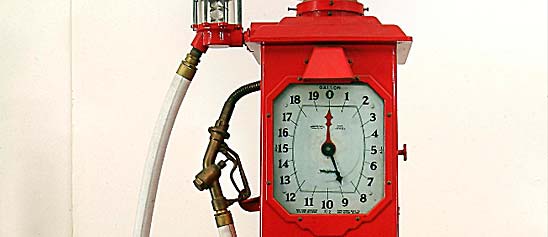
The Museum's collections on energy and power illuminate the role of fire, steam, wind, water, electricity, and the atom in the nation's history. The artifacts include wood-burning stoves, water turbines, and windmills, as well as steam, gas, and diesel engines. Oil-exploration and coal-mining equipment form part of these collections, along with a computer that controlled a power plant and even bubble chambers—a tool of physicists to study protons, electrons, and other charged particles.
A special strength of the collections lies in objects related to the history of electrical power, including generators, batteries, cables, transformers, and early photovoltaic cells. A group of Thomas Edison's earliest light bulbs are a precious treasure. Hundreds of other objects represent the innumerable uses of electricity, from streetlights and railway signals to microwave ovens and satellite equipment.
Our collection database is a work in progress. We may update this record based on further research and review. Learn more about our approach to sharing our collection online.
If you would like to know how you can use content on this page, see the Smithsonian's Terms of Use. If you need to request an image for publication or other use, please visit Rights and Reproductions.